







Havana Hosts the 15th Nicolas Guillen Colloquium and Festival
The Colloquium has the collaboration of national and foreign institutions, including the University of the Arts and the Embassy of Spain in Cuba.
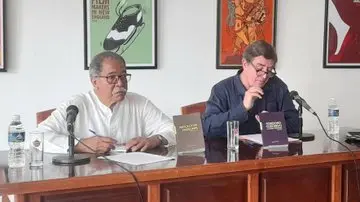
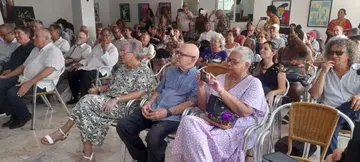
Nicolás Guillén Colloquium and Festival, a space for reflection and cultural dialogue. Photo @UNEAC
May 14, 2026 Hour: 9:09 am
🔗 Comparte este artículo
On Wednesday, Havana became a stage for cultural dialogue with the start of the 15th Nicolás Guillén Colloquium and Festival, organized by the Foundation that bears the name of the Cuban poet.
RELATED:
Egrem Music Company Celebrates Cubadisco 2026 Nominations
The event opened with a concert by the Entrevoces choir, directed by Digna Guerra, which set Guillén’s verses to music and established the emotional tone of the proceedings.
Following this opening, conferences, panels, and book presentations will unfold to explore the relationship between poetry, identity, and social commitment, commented the Union of Writers and Artists of Cuba (UNEAC), which hosted the inauguration in the Villena Hall, on social media.
The first conference was given by the Spanish poet Luis García Montero, director of the Cervantes Institute, who reflected on the human commitments of poetry and evoked the connections of fellow Spaniard Federico García Lorca with Cuban artists, within the framework of the 90th anniversary of his assassination.
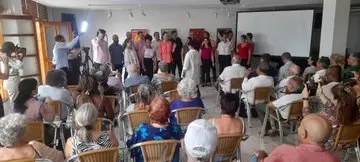
This year, the colloquium also celebrates the centenary of the birth of Commander Fidel Castro and the 65th anniversary of the National Union of Writers and Artists of Cuba (UNEAC), anniversaries that reinforce the historical dimension of the event. The program offers a look at the work of Nicolás Guillén as a form of resistance and shared memory between Cuba and Latin America.
The opening ceremony brought together the Culture Minister Alpidio Alonso, along with Marta Bonet, president of the UNEAC, Miguel Barnet, honorary president of that organization, and diplomatic representatives from several countries.
The Colloquium is supported by national and international institutions, including the University of the Arts and the Embassy of Spain in Cuba.
Author: HGV/JF
Source: UNEAC